Smart, Sustainable Garden Design: Practical Tips for a Beautiful, Low-Maintenance Outdoor Living Space
Practical, sustainable strategies for a garden that blends with home improvement goals, elevates interior views, and supports easy gardening and decor.
Foundations: planning a cohesive outdoor space
Mapping your outdoor space begins with a clear plan that aligns with home improvement goals and interior aesthetics. Consider sun paths, prevailing winds, water drainage, and seasonal color shifts to create zones for seating, dining, and gardening. Use durable, weather-resistant materials that echo indoor finishes, so the exterior complements decor without feeling mismatched. A thoughtful plan reduces maintenance and supports long-term enjoyment of the landscape. For a deeper look, see lidar technology.
Start by sketching a rough layout that balances hardscapes with softscapes, while noting utility lines and irrigation needs. Incorporate storage for tools and potting supplies to keep the area tidy, mirroring organized interiors. Select plant groups that require similar care and water, which simplifies upkeep and promotes a calmer, cohesive look across both home exterior and interior-adjacent spaces.
Soil and planting: foundation for healthy growth
Soil health determines plant vigor and overall garden resilience, making soil testing a critical first step in any garden project. Amend with compost and aged mulch to improve structure, drainage, and nutrient availability. Choose a mix of native perennials and edible herbs to reduce water use, attract pollinators, and provide food for your kitchen decor and dinner table alike.
After preparing beds, select plant combinations that bloom across seasons, ensuring ongoing color and texture without excessive pruning. Use mulch rings around shrubs to retain moisture and deter weeds. Consider raised beds for contained, ergonomic gardening that protects soil quality while offering visual interest from interior windows and patio seating areas.
Water efficiency: smart irrigation and design
Efficient watering is essential for sustainability and reduced maintenance, so install a smart irrigation controller that adapts to rainfall and soil moisture. Group plants by water needs to avoid over- or under-watering, and route hoses and drip lines along edges that won’t trip guests or disrupt decor. A rain barrel can collect runoff for garden use, reducing utility costs and reinforcing an eco-friendly home improvement mindset.
Position irrigation heads to protect foundations and walkways, and schedule watering for early morning to minimize evaporation. Mulch deeply to conserve moisture and regulate soil temperature. A well-timed irrigation plan keeps vibrant blooms and lush foliage alive through heat waves, while maintaining a tidy appearance that complements interior-inspired decor themes.
Lighting and atmosphere: extending usable hours
Outdoor lighting creates atmosphere, improves safety, and extends the time you can enjoy the garden after sunset. Layer light with path lights, focal uplights on specimen plants, and ambient string lights near seating zones to echo interior mood lighting. Choose fixtures with warm color temperatures and weatherproof finishes that coordinate with outdoor furniture and architectural accents, reinforcing a cohesive look with indoor decor sensibilities.
Consider solar-powered options for low energy use and easy installation, but ensure bright task lighting where you prune, water, or read outdoors. Position luminaires to highlight focal points like a specimen tree or water feature, creating visual drama similar to art in a living room. Thoughtful lighting connects interior ambiance with exterior spaces, extending the feel of your decor outward into the yard.
Structural elements: decking, fences, and screening
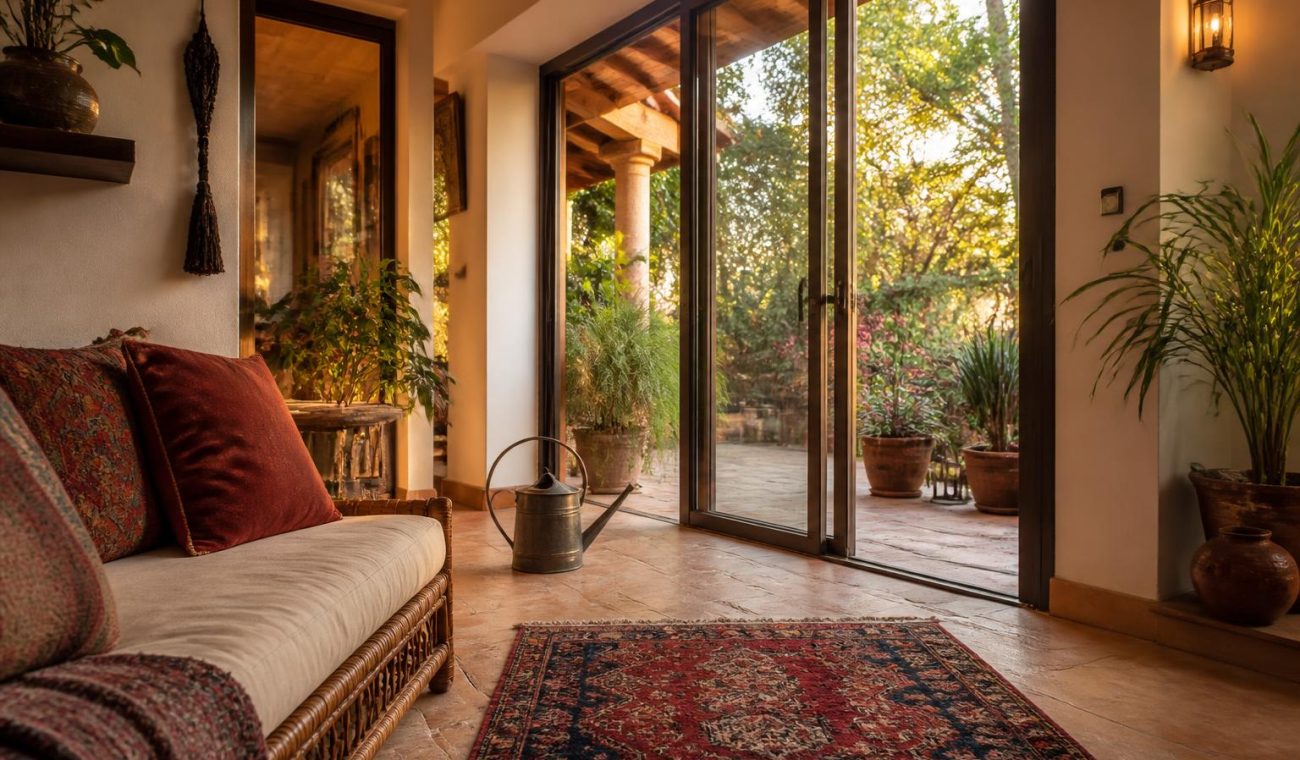
Durable decking and tasteful fencing establish the backbone of your garden, providing functional spaces for seating and movement. Match materials to indoor finishes, such as warm-toned woods or neutral composite boards, to create a seamless transition from interior to exterior. Build screening from flowering vines or evergreen shrubs to offer privacy while adding seasonal color and texture that enhances the overall decor of your home exterior.
Integrate built-in benches or planters for practical seating and plant display, echoing the furniture styling found inside. Use low-maintenance greenery along fences to soften lines and reduce sightlines without heavy pruning. A well-conceived structure supports both gardening tasks and social gatherings, bridging interior comfort with exterior living spaces in a cohesive home improvement narrative.
Texture and color: plant palettes that complement decor
Develop a color story for the garden that draws from interior palettes—soft neutrals, bold accents, and natural textures—to create visual harmony. Mix foliage shapes and heights to add depth, then pepper in flowering varieties for seasonal bursts of color. By aligning plant choices with decor tones, you craft a landscape that feels intentionally designed and inviting from windows and doors alike.
Use architectural features such as a stone path or faux-reclaimed timber to echo interior design trends, while selecting plants with similar textural qualities. Groundcovers can fill gaps and reduce maintenance, while accent plants provide focal points near entrances. A well-chosen palette ties together home improvement goals, interior glimpses, and outdoor living for a unified look that thrives with gardening effort.
Maintenance routine: sustainable care for long-term beauty
Establish a simple, repeatable maintenance schedule that aligns with personal time and seasonal demands. Create a weekly checklist for pruning, weeding, and tidying, coupled with monthly soil and irrigation system checks. Streamline tasks by grouping plants with similar needs and using ergonomic tools to minimize strain, ensuring the garden remains a joy rather than a chore and maintaining decor-quality curb appeal.
Adopt organic pest management and composting to reduce chemical use, supporting a healthier environment and better soil biology. Keep outdoor spaces clean with a dedicated storage plan for tools and supplies, mirroring the organization found in interior spaces. A sustainable maintenance routine preserves the garden’s beauty, supports ongoing home improvement goals, and sustains a living decor system that grows with you.
Technology and innovation: extending capabilities beyond the fence
Beyond basic tools, integrate smart sensors, weather stations, and planning software to optimize watering, fertilization, and plant selection. Online mapping and inventory can help you track what’s planted where, simplifying future renovations or interior-inspired updates. For a practical edge, explore geospatial resources to plan layouts that consider sun exposure, drainage, and blast-free zones for safe family use, all while staying rooted in gardening realities.
Incorporate a few tech-forward touches like automated shade cloths for hot afternoons or a compact greenhouse for extending growing seasons. Use remote monitoring to catch issues early, preventing costly repairs and ensuring your garden remains vibrant year-round. Technology should feel seamless, turning outdoor spaces into extensions of the home, closely aligned with decor and interior trends.
Optional texture and texture accents
- Short list item example 1
- Short list item example 2
- Short list item example 3