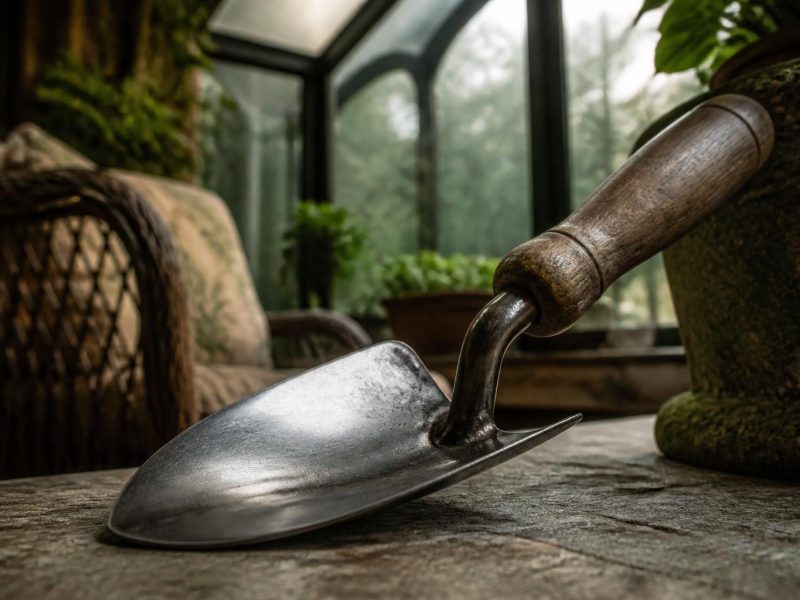
Practical Home Garden Upgrades: A Studio Guide to Self-Rufficient Living
A practical guide to upgrading your home and garden with sensible, durable improvements that blend interior comfort with outdoor practicality.

Foundations of a Functional Home Garden
Creating a space that bridges interior comfort with outdoor practicality starts with clear goals and deliberate planning. Assess the sun patterns, soil health, and existing structures to lay a strong foundation for both gardening and decor that last seasons. Start with a simple, durable seating area and a small planting bed that can be expanded as your confidence grows, ensuring every decision supports ongoing home improvement efforts. battery chainsaw — a modest investment that makes trimming and shaping hedges safer and faster for beginners and seasoned gardeners alike.
For those aiming to harmonize interior and exterior vibes, choose a cohesive palette and materials that echo indoors outside. Select weather-resistant fabrics, neutral tones, and native plant varieties that require less maintenance while delivering year-round texture. Map out zones for dining, relaxation, and edible gardening to reduce clutter and encourage a calm, integrated lifestyle that respects both your interior and exterior spaces.
Soil, Water, and Planting Strategies
Healthy soil is the backbone of any thriving garden, influencing everything from plant vigor to water usage. Start with a simple soil test to determine pH and nutrient levels, then amend with compost and mulch to improve structure and moisture retention. Plan a rotation of edibles and ornamentals to keep pests at bay without heavy chemical reliance, and install a drip irrigation line to minimize waste while keeping beds evenly hydrated. This approach supports long-term home improvement by reducing maintenance and waste.
Adopt a planting scheme that favors low-water, resilient species suited to your climate, with a focus on native flowering perennials and herbs for food and fragrance. Use raised beds to improve soil warmth and drainage, and mulch to preserve soil moisture and suppress weeds. Integrate small trees for shade and windbreaks, ensuring your garden remains manageable through seasonal shifts while enriching interior-adjacent outdoor rooms with visual depth.
Outdoor Structures and Living Spaces
Consider modular furniture and simple pergolas that define conversation zones without overwhelming the yard. Use durable materials like teak, galvanized steel, or powder-coated aluminum to withstand weather and frequent gatherings. A compact fire pit or outdoor heater can extend usability into cooler months, while shaded nooks provide comfort during peak sun hours. Thoughtful arrangement makes your outdoor space feel like an extension of home improvement rather than an afterthought.
Elevate the space with lighting that doubles as decor, choosing warm temperatures that flatter both the landscape and interior lighting. String lights over dining areas, add path lighting for safety, and consider solar lamps for low-maintenance evenings. A water feature or a small fountain adds ambience, while a trellis or lattice can support climbing plants, creating vertical interest that mirrors interior design principles.
Edible Garden and Pollinator Habits
Integrate edible plants into the landscape to merge gardening with kitchen convenience and decor. Choose compact varieties of tomatoes, peppers, greens, and berries that thrive in your microclimate, and plant herbs like basil and thyme near doorways for easy harvests. Regularly harvest while teaching kids or guests about fresh, homegrown ingredients, reinforcing the value of simple, sustainable living within your home improvement journey.
Supporting pollinators is essential for long-term yield and garden health. Include nectar-rich flowers in borders, install a shallow water source, and avoid broad-spectrum pesticides that disrupt beneficial insects. A diverse plant palette attracts bees and butterflies, which in turn boosts crop productivity and adds kinetic color to your decor when viewed from windows or doors, strengthening the link between interior and exterior spaces.
Maintenance Routines and Seasonal Prep
Consistent maintenance creates lasting results, so establish a simple seasonal routine that covers pruning, soil feeding, and tool care. Schedule pruning after bloom seasons to encourage robust growth, sharpen and oil blades on pruning shears and mowers, and clean garden tools to prevent rust. A small shed organized with labeled bins makes this routine efficient, keeping your home improvement projects on track without sacrificing leisure time in the yard.
Seasonal prep also means storage management for decor and outdoor furniture. Store cushions and fabrics in a dry, ventilated space to prevent mildew, and cover furniture during heavy rain or winter to extend its life. By integrating a maintenance calendar with your decor refresh cycles, you maintain an orderly, cohesive look that supports a tranquil home atmosphere both inside and out.
Interior-Outside Flow and Decor Consistency
The best outdoor rooms feel like natural extensions of indoor living, with continuity in color, texture, and scale. Mirror indoor upholsteries in outdoor fabrics where possible, and bring in potted evergreens or year-round foliage for structure that remains vibrant through seasons. Design elements such as throw pillows, lanterns, and woven textures should coherently reflect the interior style, reinforcing a cohesive narrative of home improvement that spans rooms and yards.
When planning decor, consider how windows frame garden views and how doors connect to outdoor seating. Use mirrors to amplify light and perceived space, and select planters with sculptural forms that double as art. A well-curated outdoor vignette will echo the interior’s mood, inviting daily transitions between home and garden with ease and purpose.
Resourceful Tools and Quick-Help Tips
Equip yourself with a reliable set of basics: a sturdy shovel, pruning shears, a rain gauge, and a long-handled cultivator for awkward beds. Keep a small toolkit on hand for quick repairs and DIY tweaks around both interior and exterior spaces. A simple maintenance log helps you track plant cycles, tool sharpness, and seasonal tasks, turning gardening into a predictable, rewarding routine that supports ongoing home improvement goals.
For larger projects, consider renting or purchasing a few modular machines that save time without complicating storage. Battery-powered tools reduce noise, emissions, and maintenance demands while delivering solid performance for pruning, trimming, and edging. Building a repertoire of dependable tools empowers you to tackle more ambitious plans with confidence and calm, reinforcing a sustainable, hands-on approach to decorating and gardening.
Texture and Planting Notes
- Choose plant varieties with year-round structure to maintain visual interest.
- Layer textures by mixing glossy leaves, fuzzy foliage, and wood tones.
- Integrate vertical elements to maximize space in small yards.