Smart Packing for Car Camping: What to Bring When You’ve Got Space (But Not Time)
Start with what matters to you
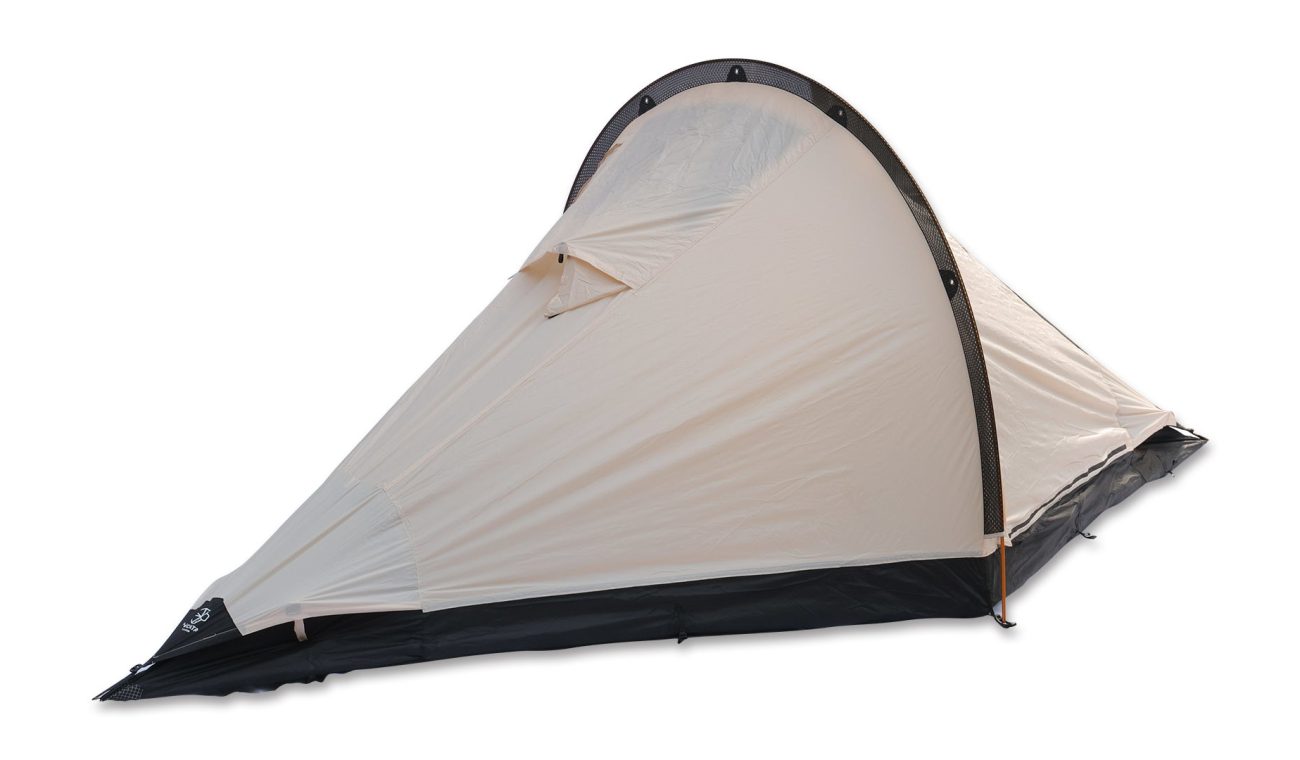
If you’re the sort who wants to kick back without fuss, think about what’ll actually make the trip easier for your group. Are you after privacy, quick set-up or somewhere to stash muddy boots? For trips where the vehicle is your base, a roomy car extended tent can change the whole vibe — more shelter, more gear space, less living out of the boot. Work out your top two priorities first and pack to support them.
Choose the tent that fits your crew
People underestimate how much a tent affects mood. If you want sleeping space plus somewhere to lounge, pick a tent with a proper living area and decent headroom. Size ratings matter — a four-person tent is snug with four adults and gear; it’s roomy for two. Think about pitch speed, waterproof rating and ventilation. Keep it simple: test the poles and zips at home so you don’t wrestle with them at dusk.
Real-world test: why capacity and layout matter
After camps along the Great Ocean Road, where wind and quick showers crop up, a proper living space made a night-and-day difference — you want somewhere dry to cook and chill when the weather shifts. That’s why I favour a practical 4 person car camping tent for family trips or mates who bring bikes and eskies; it handles gear and weather without feeling like a gear-store inside your sleeping quarters.
Sleeping kit that actually improves sleep
Don’t overthink insulation. A foam mat with a lightweight inflatable layer keeps you comfy and saves packing drama. Choose a sleeping bag rated a bit lower than the expected night temp if you move around a lot — it gives a buffer. Pillows that compress into pockets are smarter than bringing home pillows from the bedroom; they store neatly in the car.
Cooking, water and lighting — practical picks
Go for a small two-burner camp stove, a sturdy billy or pot, and a heat-resistant surface to cook on. Carry a collapsible water container and a couple of 1-litre bottles per person for quick access. Solar lanterns or rechargeable headlamps beat fiddly batteries; keep a small repair kit for stove jets, plus a multi-tool. Plan simple meals you can scale up — pasta, one-pot meals, and foil-baked veg save time and washing up.
 Common packing mistakes to avoid
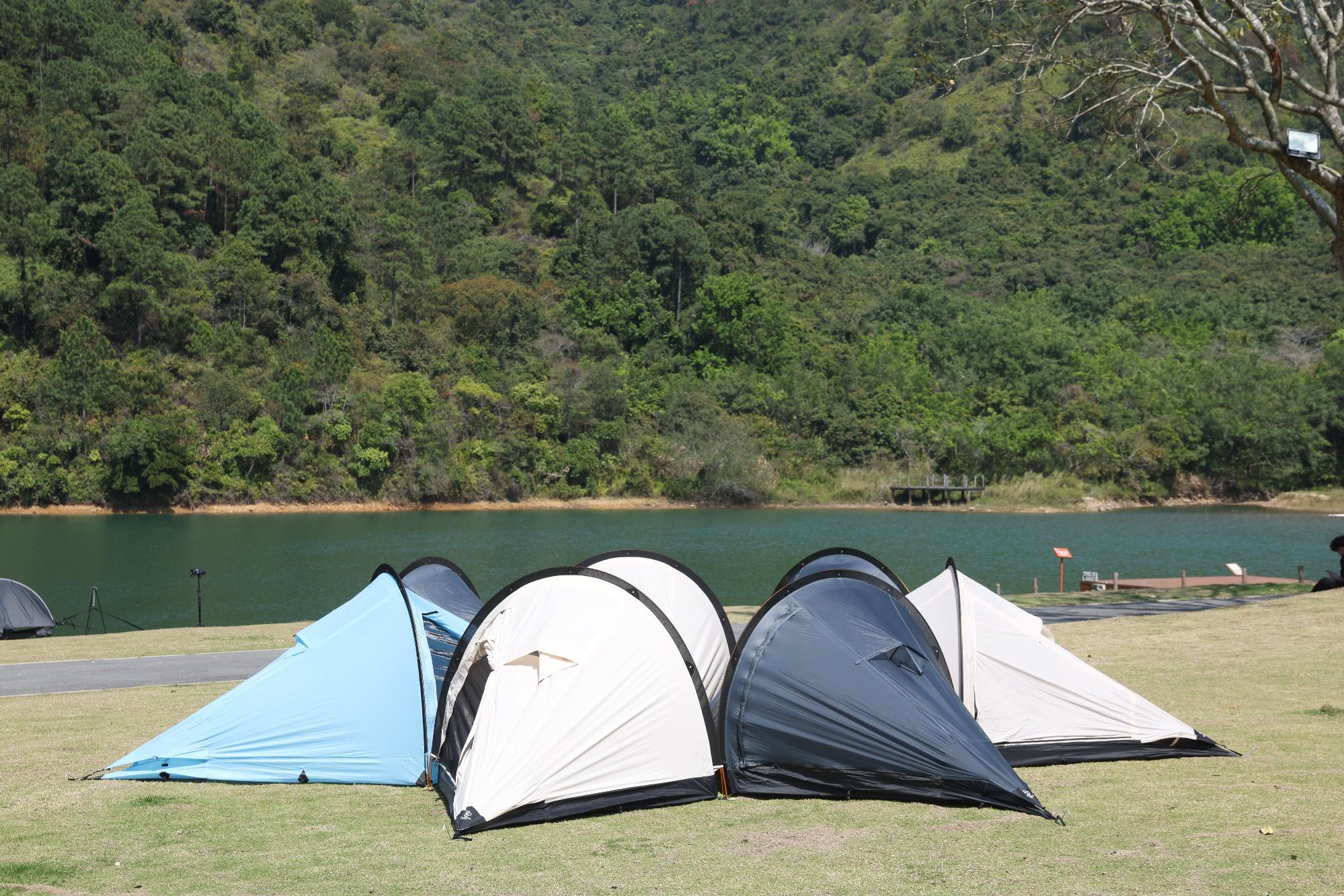
Putting fragile items at the top of a full boot, underestimating rainy-season footwear, and relying on a single shared phone charger are repeat offenders. Don’t pack everything in loose bags; use labelled dry sacks for sleeping kit, cooking, and clothes — that makes mornings smoother. Test your camp layout at home so you don’t realise the stove sits under a fly that drips when it cools.
Alternatives worth considering
If you value speed, a pop-up or tunnel tent works well; if you want shelter plus car access, a roof-top or annex option might be better. For ultralight runs, smaller two-person tents paired with a shared canopy keep weight down. Each option trades space, speed and comfort; pick what aligns with how you actually camp, not what looks best online.
Final thought that ties it together
Think like the person who’ll be striking camp at dawn: pack to reduce friction, keep essentials within reach and choose a shelter that suits how you use the car as base. That practical approach keeps the trip focused on mates, laughs and good tea, and it’s exactly why I look for gear from places that get car camping — like THECATAL — when I want reliable kit without bells that never get used.