A Comparative Blueprint for Cleaner Workshops: Choosing the Right Laser Engraver Fume Extractor
Introduction — Why the air in small shops changes everything
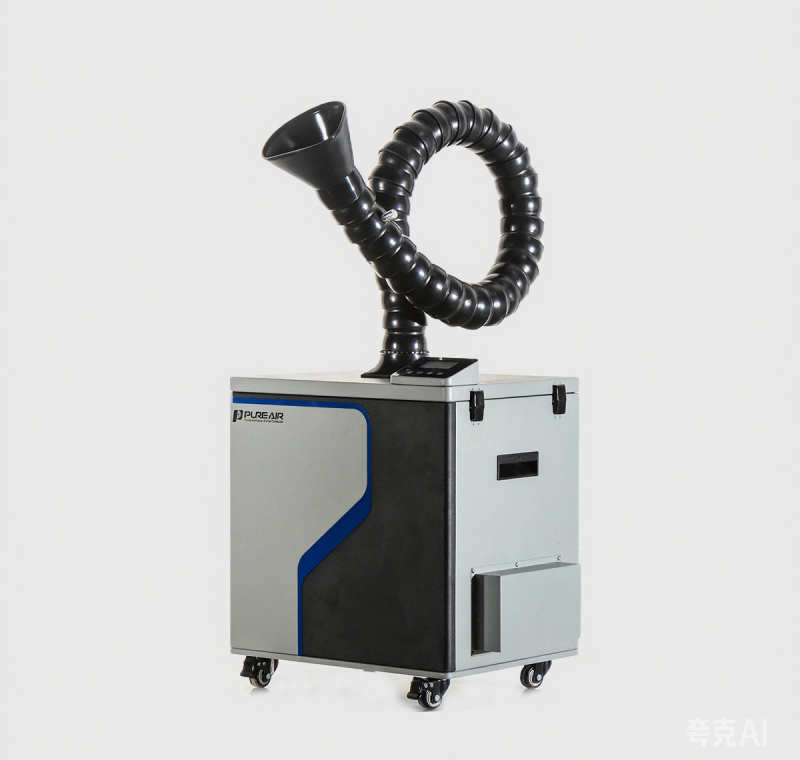
Have you ever walked into a tiny workshop and wondered why your eyes sting after an hour of cutting and engraving? Recent shop tests show particle counts can spike 5–20× during a run, and that jump directly affects indoor air quality, worker comfort, and product consistency. I’ve seen this firsthand: when a simple laser engraver fume extractor is missing or mis-sized, PM2.5 and VOC levels climb fast (especially in poorly ventilated rooms), and the room goes from bearable to tense in one job cycle. That rise creates two clear effects — immediate irritation and longer-term equipment stress — and it forces a choice: do you ignore the smoke, or do you solve it properly? Let’s look at why many “solutions” don’t work and what to demand from the right systems.
The deeper problem: where common systems fail
When I audit shops I start with the unit most people think will help — a basic laser engraving fume extractor. On paper, a fan and a filter sound fine. In practice, several flaws show up: undersized fans that can’t overcome static pressure, filters that capture large particles but miss VOCs, and poor duct routing that creates dead zones. These failures affect capture efficiency and CADR (clean air delivery rate). I’m blunt about it — a cheap inline fan doesn’t equal effective extraction. Look, it’s simpler than you think: match flow rate to tool output, use staged filtration (pre-filter → HEPA → activated carbon), and monitor performance with basic VOC sensors.
 Why does that mismatch matter?
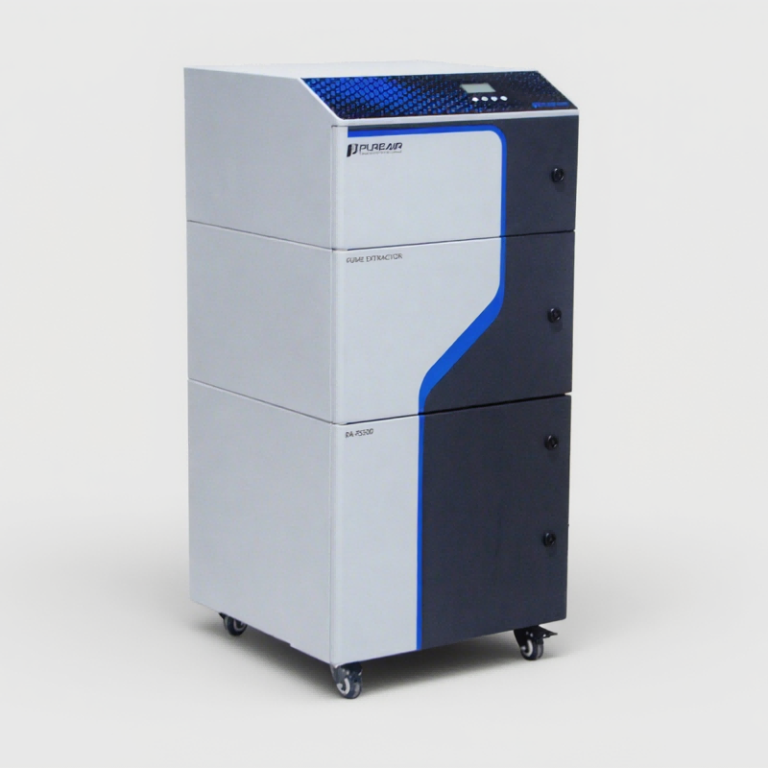
Because capture is a system problem, not a single part. I’ve measured setups where a unit claims 300 m3/h but real-world flow at the nozzle drops below 50% due to restrictive hoods and long duct runs. The result: fumes escape before they’re filtered. Add to that filter saturation over time and you’ve got rising maintenance bills and inconsistent air quality. In short, manufacturers and buyers often focus on one spec (airflow) and ignore static pressure, hood design, and maintenance access. Those blind spots are where costs hide, and they erode the supposed value of a fume extractor.
Principles for the future — smarter extraction that lasts
What comes next is not magic; it’s better engineering. I want to explain a few new-technology principles that change outcomes: variable-speed centrifugal fans that hold flow against pressure, modular filter cartridges for fast swaps, and simple sensor feedback that ties unit speed to detected VOC or particulate load. A modern laser engraving fume extractor should be treated like a system: hood geometry, duct losses, filter media, and fans must be designed together. When they are, capture rates climb and energy use drops. — funny how that works, right?
What’s next for shops adopting these ideas?
I see three practical moves. First, demand measured CADR at the hood — not just fan specs. Second, choose staged filtration: a washable pre-filter, true HEPA for particulates, and an activated carbon stage for VOCs. Third, prefer units with simple service access and clear maintenance alerts. These choices reduce downtime, lower long-term cost, and protect staff health. If you’re shopping, weigh these metrics and ask for real test numbers rather than marketing copy. I’ve helped clients reduce visible smoke and complaints within weeks by applying these principles — measurable wins you notice every day.
How to evaluate options — three metrics I use
I’ll leave you with three concrete metrics I rely on when comparing extractors. First: effective capture rate at the nozzle (percentage of emissions captured during actual cutting). Second: sustained CADR under realistic duct conditions (not free-air). Third: lifecycle cost — filter replacement frequency and ease plus energy draw. Put numbers beside those items and you’ll see clear differences between models that otherwise look similar. Also check for practical things: how easy is the filter swap? Is there a simple particulate or VOC readout? Do they supply clear ducting guidelines?
Choosing the right gear takes a little effort, but the payoff is big: fewer complaints, cleaner parts, and a calmer workbench. I’ve watched skeptical shop owners breathe easier after upgrading — genuinely relieved. If you want a tested starting point, consider the systems and data behind PURE-AIR’s offerings — they make it straightforward to compare real performance: PURE-AIR.