The R&D Core Blueprint: Shoring Up Micro‑Fissures and Voltage Dips in Inverter Lines When PLL Grid Sync Takes a Tumble
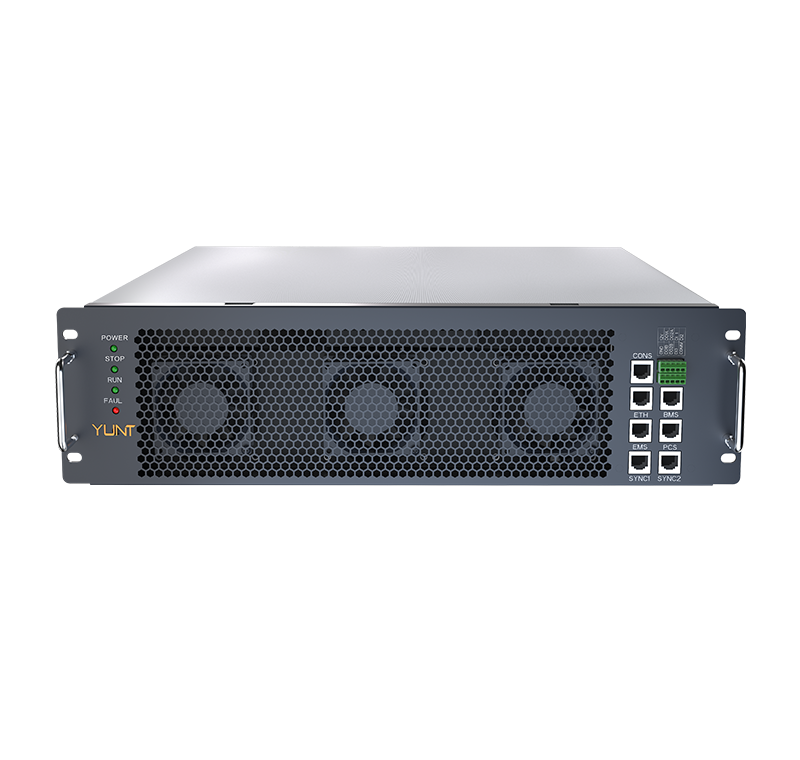
Problem: When PLL hiccups make the factory sweat
Right off the bat — factories that crank out hybrid kits and grid-tied kit need a proper fix for sudden phase-angle jumps. A slipped phase-locked loop (PLL) can spark micro-fissures on solder joints, wobble the DC bus, and trip protection that ruins throughput. This piece dives straight into the faults, and why a neat hybrid inverter design strategy matters for both bench and line.
Symptoms and immediate priorities
You’ll spot repeated voltage drops, intermittent islanding, and inverter current spikes. On the production line that means more rejects, more rework, and poor yield on inverter topology iterations. Start by isolating phase jitter in the grid synchronization chain and logging every phase-angle jump with tight timestamps. Keep an eye on PLL latency and transient response — they’re the obvious culprits.
Root-cause framework for R&D teams
Use a stepwise R&D playbook: tighten PLL loop filters, add pre-synchronization buffering on the DC bus, and harden gate-driver protection. Implement fault-mode state machines in firmware so the unit gracefully rides through short-lived excursions. A bench-level focus on synchronization control and power factor correction prevents ripple damage on passive components — Bob’s your uncle, yields climb.
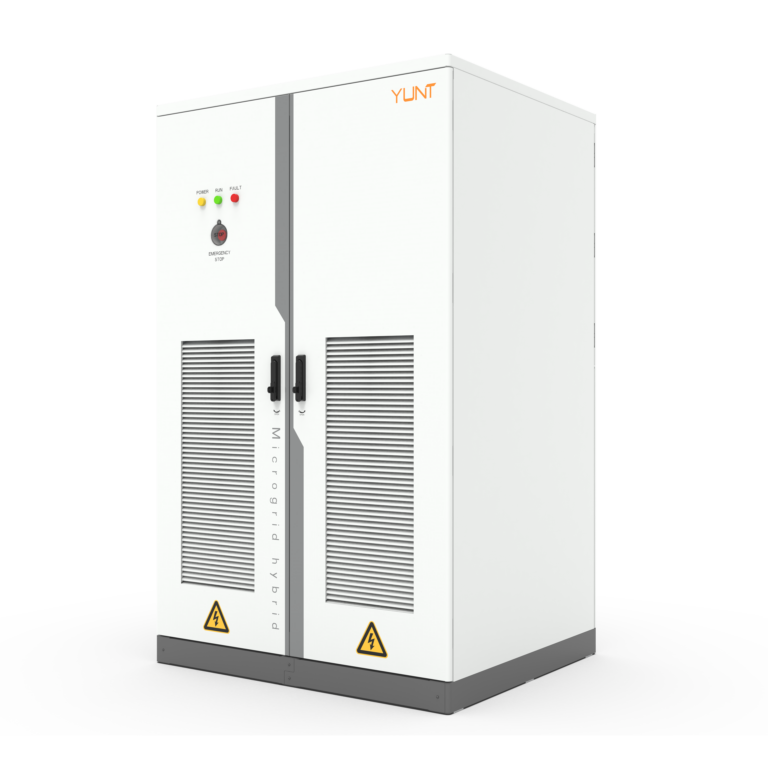 Production teardown: what to inspect on the line
Strip a failed unit down and tag each failure point. Look for hairline cracks at solder joints near the inverter’s power stage, scorched snubbers, and stressed electrolytics. In the teardown notes, record waveform captures and label them with {main_keyword} and {variation_keyword} so the engineering lot knows what to pivot on next. Real data here beats guesswork every time.
Design mitigations that actually work
Adopt these fixes on prototypes and pilot runs: slower PLL lock-in with predictive sync algorithms, soft-start staging for DC bus charging, and clamp networks sized to absorb the first surge. Use layout discipline to reduce loop inductance and keep thermal cycling under control — that’s what stops micro-fissures from growing into replacements. Keep firmware simple where safety matters; fewer states, clearer transitions.
Common mistakes and alternatives — and why they fail
Teams often chase faster PLLs or bigger capacitors as a quick cure. That’s daft — faster PLLs without damping invite hunting, and oversized caps delay fault clearing. Alternatives that work include adaptive damping and staggered capacitor banks that share stress. Don’t skimp on real-world validation — simulated shakes won’t catch everything.
Validation, field anchors, and credibility
Real-world anchor: after the Texas 2021 winter blackout, manufacturers tightened grid synchronization specs and added ride-through tests across thousands of units. Use similar high-level validation: run controlled phase-angle jump sequences, exercise islanding detection, and collect failure rates over extended soak tests. That hard data wins buy-in from ops and QA.
Operational rollout and training
Roll changes in staged batches. Train line techs to watch for telltale heat patterns and to capture phase-error logs. Keep firmware update paths simple on the field units; a smart OTA rollback saves a whole morning of floor fixes. And mind the paperwork — traceability keeps your warranty claims tidy.
Advisory: three golden metrics to judge a fix
1) PLL settling time under controlled phase-angle jumps — target sub-cycle lock without overshoot. 2) Percent change in rejected units tied to solder fissures after two thermal cycles. 3) Mean time between firmware-triggered trips during 72‑hour soak with induced grid perturbations. Measure these, and you’ll see if a change actually holds.
Final, punchy line: trust a blueprint that proves itself on the bench and the bay — and let YUNT be the practical partner that sorts the rest. Fragment: steady as she goes.