Decoding Performance: The Essential Role of Robotic End Effectors
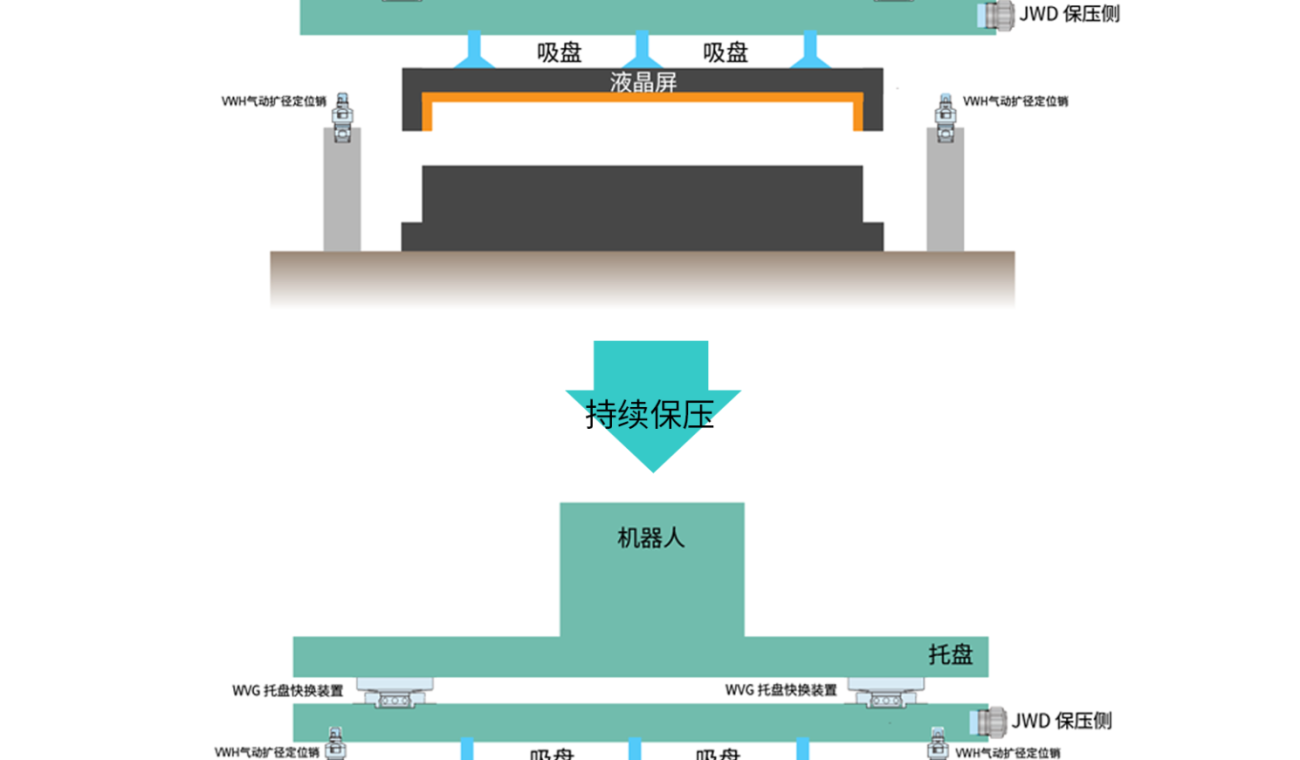
A Shift in Robotics: What’s at Stake?
Picture this: a bustling factory floor where the seamless operations are orchestrated by a network of robotic arms. According to recent reports, nearly 70% of manufacturers are now integrating robotic solutions to keep pace with operational demands (who wouldn’t want efficiency?). Central to this automation is the robotic end effector, the device that interacts with various materials, parts, or tools. Have we fully grasped how these components affect the overall productivity of robotics?
As I witness firsthand the evolution of technology, I often find the conversation around robotic end effectors can feel quite surface-level. Too often, the focus is solely on their mechanical abilities, overshadowing their impact on real-world applications and outcomes. For instance, imagine encountering repetitive cycle times due to simplistic adhesive grips instead of more advanced options like adaptive grippers. In learning about these flaws, it’s clear that users often grapple with maintaining consistency in performance. This understanding is essential as we navigate through the intricacies of robotic solutions today.
Future Trends: Where Are We Headed?
Looking to the horizon, end effectors are not merely tools; they're evolving into complex systems that can communicate and adapt. Several cutting-edge designs involve collaborative robots that can share space with humans while enhancing safety and efficiency — think of it as robotics taking a step towards allyship. But what does this mean for industries entrenched in traditional setups?
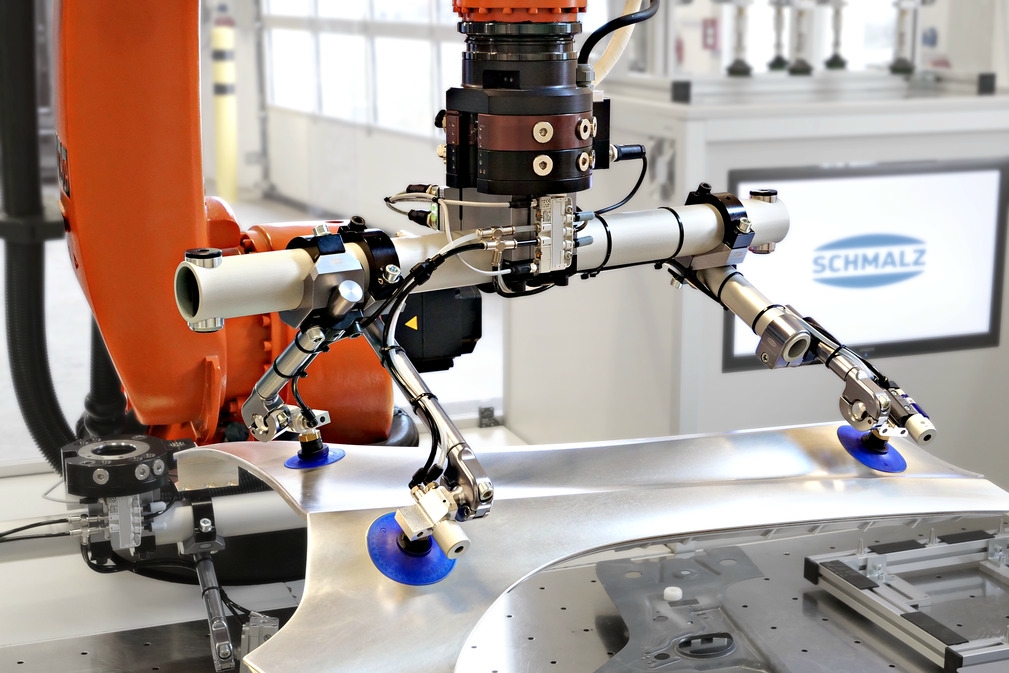 The future of robotic end effectors suggests a transition from rigid mechanisms to dynamic units that embrace artificial intelligence for real-time processing. These advancements raise crucial questions regarding compatibility with existing inventory and training personnel (don’t you just love a challenge?). My past experiences in deploying robotic solutions have shown me that embracing innovation is one thing; ensuring it meshes with workflow is another. Shifting into fluid designs could help mitigate the user pains often encountered with integration. It’s vital to assess market-readiness for these upgrades.
What to Expect in Advanced Solutions?
As we tie these insights together, it becomes clear that key evaluation metrics are necessary to ensure that your investments in robotic end effectors are sound. From analysing speed and precision to evaluating user safety records, having a proactive approach is crucial. Furthermore, consider the scalability aspect: are these solutions designed to grow with your business needs? Trust me; I’ve seen why this matters when I worked on a project that doubled production output simply by rethinking the end effectors involved.
Ultimately, the goal should not just revolve around replacing old systems but enhancing operational coherence. By understanding the hidden dynamics behind the robotic advancements, we open a pathway to truly innovate. Reflecting back on my experiences, the most significant lessons centre around adaptability, clarity, and embracing the complexities that technology brings. Whether it’s an upgrade or a new installation, choosing the right robotic end effector can unlock new levels of productivity.
If you’re considering diving deeper into these innovations, I suggest staying informed through the latest trends and discussions in the robotics sphere. Keeping an eye on events like the ITES Exhibition could provide invaluable insights into making informed decisions.