Creating a Year-Round Water Garden: Practical Steps for a Thriving Pond Edge
A practical guide to designing a pond edge with year-round interest, highlighting essential pond plants, seasonal care, and careful plant selection.
Designing a Healthy Pond Edge: Planning Before Planting
When laying out a pond edge, think in layers: deep aquatic zones for ponds plants, shelves for marginal pond plants, and a gentle bank for surrounding moisture-loving perennials. Start by assessing sunlight, soil quality, and water movement, then match plant choices to each zone. This approach prevents overcrowding and promotes biodiversity, with a balanced mix of texture, color, and seasonal structure. For inspiration on initial planting options, consider Water Lilies as a cornerstone for early-season interest.
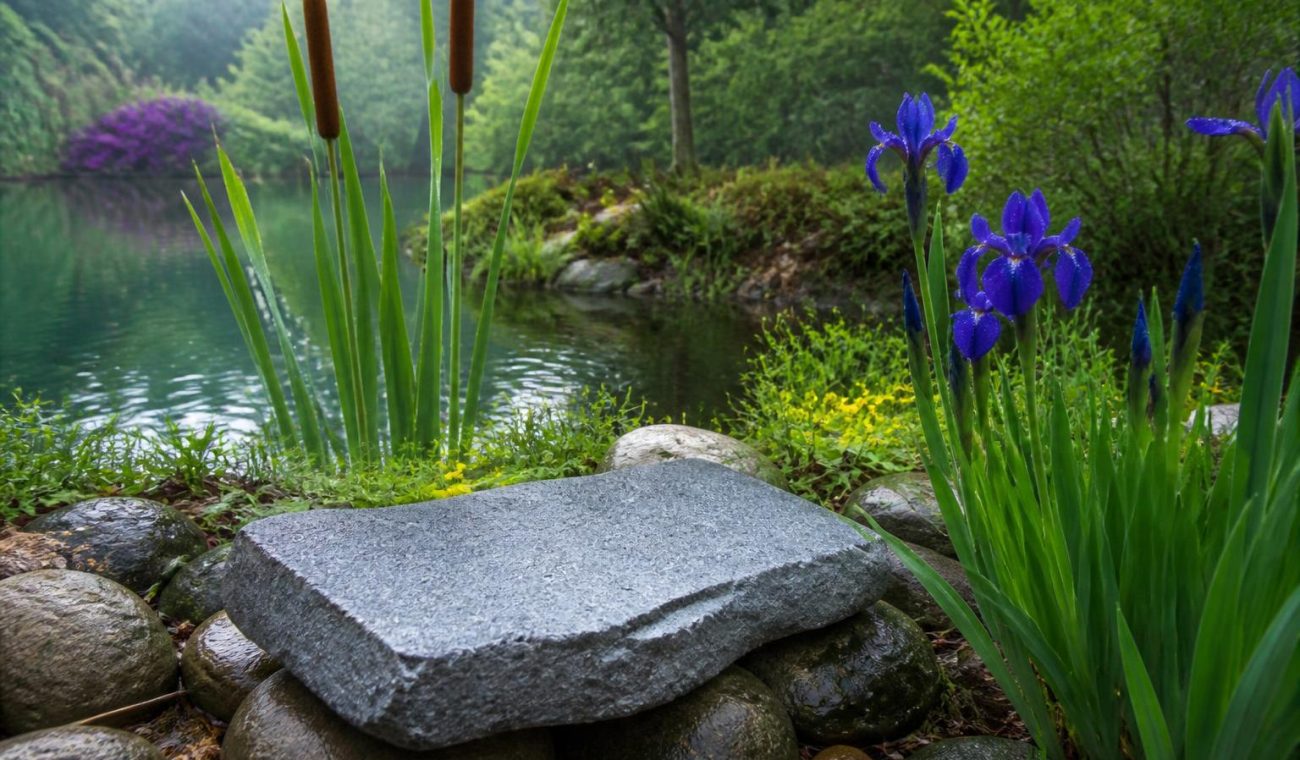
As you plan, visualize how water depth shifts across the bed and how marginal plants will stage the transition from water to shore. Native British pond plants offer robust, low-maintenance choices that thrive in typical rainfall patterns. By selecting species with complementary bloom times and growth rates, you create ongoing visual appeal while reducing the need for constant maintenance and replacements.
Choosing pond plant Varieties: Core Species for Structure
A well-rounded palette begins with a few reliable pond plant staples: water lilies for mid-water color, floating species for shade control, and robust marginal plants that anchor the edge. Each plant type serves a distinct role; water lilies provide vertical depth and reflective blooms, while marginals like iris, sagittaria, or sweet flag create texture and soft silhouettes along the bank. The key is to balance height, leaf shape, and color across the bed.
Alongside these, British pond plants offer proven performance in our climate—drought tolerance, resilience to frost, and disease resistance. Prioritize a mix that fills vertical space without shading the deeper pond too aggressively. A thoughtful combination supports beneficial insects, amphibians, and seasonal color without compromising water quality or plant health.
Managing Water Quality and Plant Health
Healthy water is the backbone of a flourishing pond garden and is closely tied to plant selection and placement. Use a gentle filtration approach, natural biofilters, and controlled aeration to maintain oxygen levels during warmer months. Regularly remove decaying debris to prevent nutrient build-up that promotes algae, and use mulches or gravel to protect root systems during winter, ensuring that both water lilies and marginal plants emerge strong in spring.
Seasonal maintenance should include careful dividing and replanting to prevent overcrowding. Marginal pond plants appreciate occasional division to maintain vigor and prevent stunted growth. Keep an eye on nutrient input from runoff and organic matter; a balanced approach preserves water clarity, supports beneficial microfauna, and extends the lifespan of foundational species like water lilies and native marginal varieties.
Seasonal Care: Spring Through Autumn
Spring brings fresh growth as water temperatures rise; plan to remove drift from the winter and gently tidy margins to reveal emerging shoots. For water lilies, begin with a careful inspection of rhizomes and replant with the crown just above the substrate. Marginal plants awaken with new shoots; spacing them appropriately prevents crowding and ensures each species can reach its mature form without competition.
Summer demands consistent moisture and vigilant pest monitoring. Provide shaded refuges for delicate species and adjust irrigation to avoid water stress. As flowering peaks, support a sustainable pollinator-friendly display by weaving in a variety of bloom forms and hues. A well-timed feed, using a garden-safe pond plant fertilizer, will help sustain vibrant foliage and robust flowering across both water lilies and marginals.
Texture, Color, and Seasonal Interest Across Zones
The edge of the pond should present a tapestry of emerald, lime, and bronze tones, with broad lily pads reflecting sunlight and slender grasses catching breezes. Introduce marginal pond plants with upright growth for architectural interest and trailing varieties for a soft, naturalized feel. Pair textures: smooth lily leaves with ruffled sedges, and glossy foliage against matte soil beds to create depth without visual clutter.
Color choreography matters; coordinate flowering times across pond plant groups to avoid simultaneous fades. In milder climates, water lilies bloom longer and earlier; in cooler periods, keep vibrant foliage as the focal beat. Plan for subtle color shifts through late season as ornamental grasses begin to tan and seedheads emerge, maintaining visual interest even as blossoms wane.
Overwintering and Year-Round Stability
Winter climate resilience hinges on selecting hardy specimens and providing protection from ice damage. Limit root exposure by insulating the bed edges and using a deeper marginal planting zone where possible. Water lilies are generally hardy with proper depth management, while between-season protection helps marginal pond plants emerge robustly after freezing conditions pass.
In early spring, resume care with gentle pruning and reestablishment of a balanced planting scheme. Monitor for winter injury and replace any weakened specimens promptly to maintain a cohesive look. By preserving a diverse mix of pond plant varieties, you ensure that even the coldest months offer movement and texture through evergreen foliage, seedheads, and the first renewed shoots.
Final Design Tips and Common Pitfalls to Avoid
Avoid overcrowding by spacing plants according to mature size and water depth. Overstocked banks impede circulation, reduce oxygen exchange, and invite algae blooms. Start with a simple baseline of three to five core species—preferably a Water Lily, a robust marginal, and two complementary accents—and expand gradually to preserve balance and health across seasons.
Be mindful of invasive tendencies and climate compatibility. Non-native or overly aggressive varieties can dominate beds, displacing British pond plants or native fauna. Regular pruning, careful division, and thoughtful placement will keep the design dynamic without compromising the ecosystem; maintain tidy margins, remove dead material, and monitor moisture levels to sustain a tranquil, thriving pond edge.